Every family's got the same problem. School notes get buried under the post. Car keys vanish just when you're already late. Doctor's appointments slip through the cracks. It's not that you're disorganized — it's that you don't have one place where everything lives. That's where a family command centre comes in.
Think of it as the nervous system of your household. Instead of important information scattered across kitchen drawers, bedroom desks, and car door pockets, you've got one central location that everyone checks. It takes maybe a weekend to set up, costs surprisingly little, and honestly? It changes everything about how your family runs.
Where to Place Your Command Centre
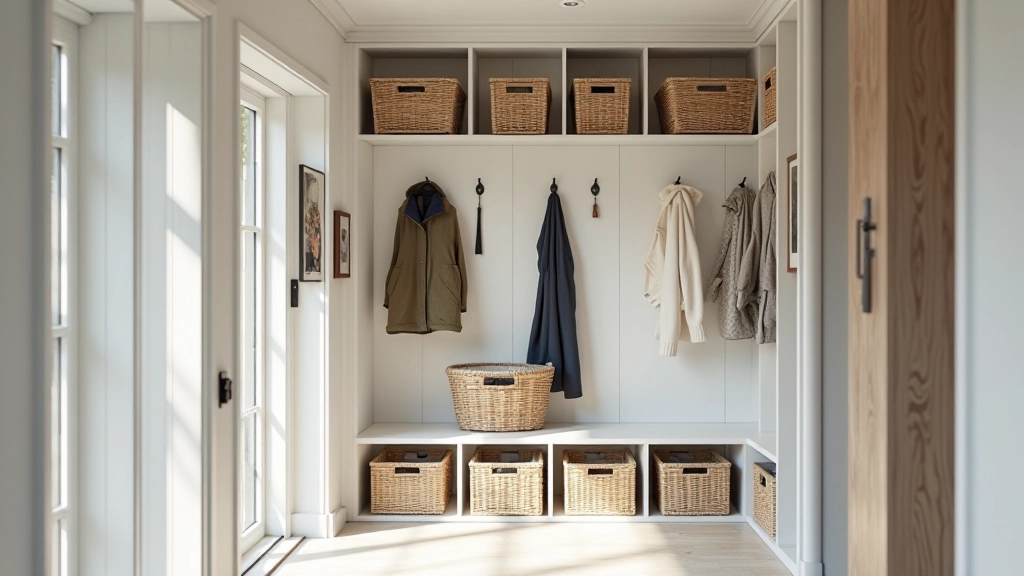
Location matters more than you'd think. You want somewhere everyone passes through naturally — the hallway, kitchen wall, or entrance from the garage. Not the back office. Not a spare bedroom nobody visits. High traffic spots work best because then it actually gets used.
A wall near your main exit is ideal. You're already there grabbing your coat and keys — boom, that's when you check what's happening today. If you're in a smaller space without available wall room, you can build a command centre into a tall cabinet, inside a pantry door, or even on the back of a bedroom door that's visible from the kitchen.
What to Include: The Core Components
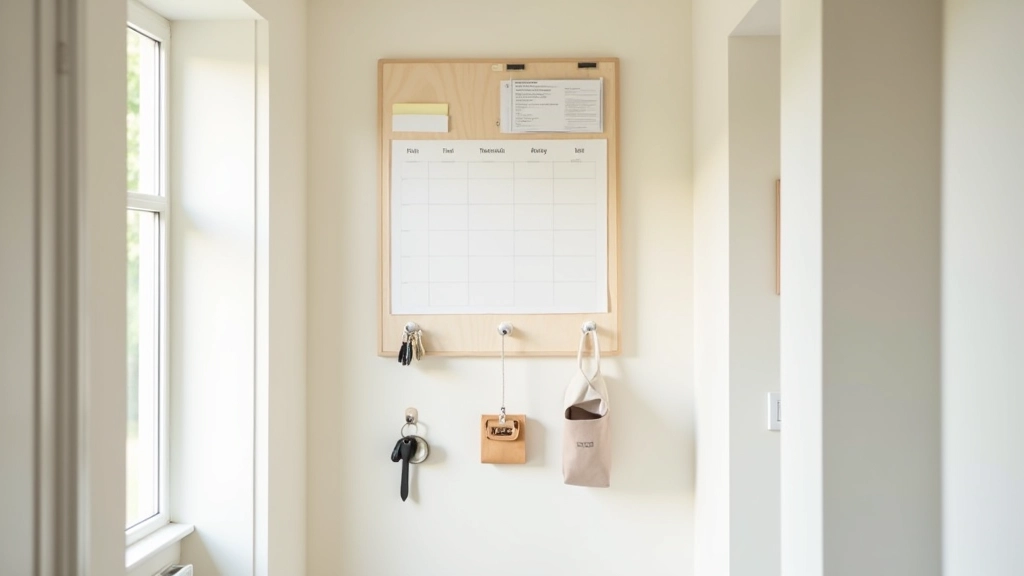
Don't overcomplicate this. You need five things, and honestly, you might already have most of them at home. We're not building a wall of organizational gadgets here — we're creating something functional that your family will actually use.
1. A Master Calendar
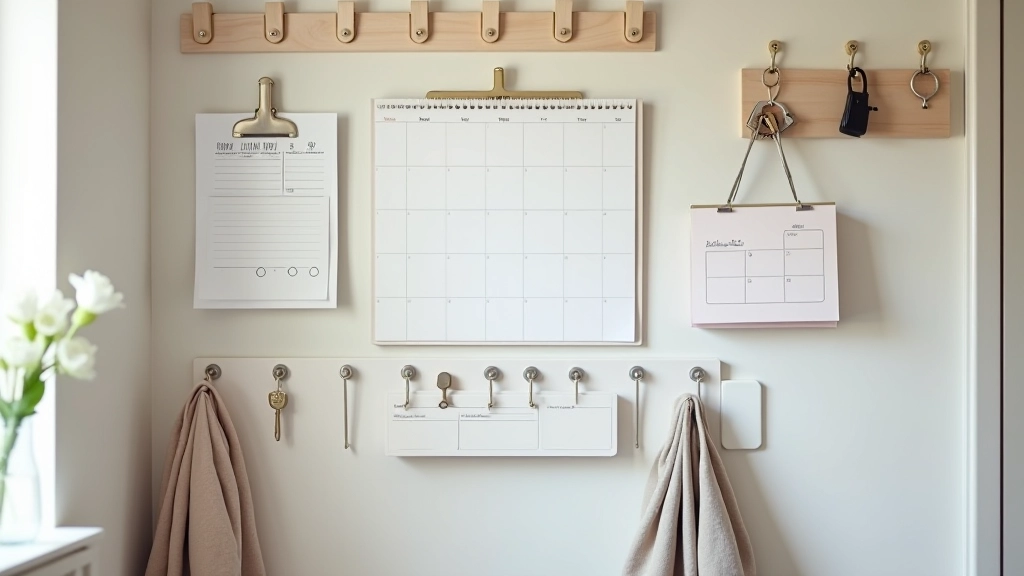
One large calendar visible to everyone. School dates, doctor's appointments, parent work schedules, birthday reminders. Paper calendars are better than digital for this — you can see the whole month at a glance. A4 or larger, mounted at eye level.
2. Key Hooks with Labels
Not just hooks — labelled hooks. Car keys, house keys, spare keys. Everyone knows where to find them and where to return them. This alone eliminates about 40% of the "Where are the keys?" conversations in most homes.
3. Paper Management System
School permission slips, medical forms, utility bills, insurance documents. Use a filing box or accordion file with labelled folders for each category. Things get lost when they sit loose on the counter.
4. Inbox for Current Items
A designated tray or basket for papers that need action this week. Permission forms to sign, bills to process, notes from school. Not stuff that's been sitting there for months — things that actually need attention.
5. Daily Checklist or Notice Board
A small whiteboard or pinboard for today's tasks, special notes, or quick reminders. "Packed lunch money due Friday." "Soccer gear in the car." Things that need attention right now.

How to Set It Up Without Overthinking It
Here's the thing — you don't need designer labels or expensive systems. You need something that works and that everyone in your family understands. We've seen families spend €200+ on elaborate command centres that nobody uses because they're too complicated.
Pick Your Wall
Choose the spot you'll see every day. Take a photo so you remember the dimensions. This takes 5 minutes and prevents buying stuff that won't fit.
Gather What You Have
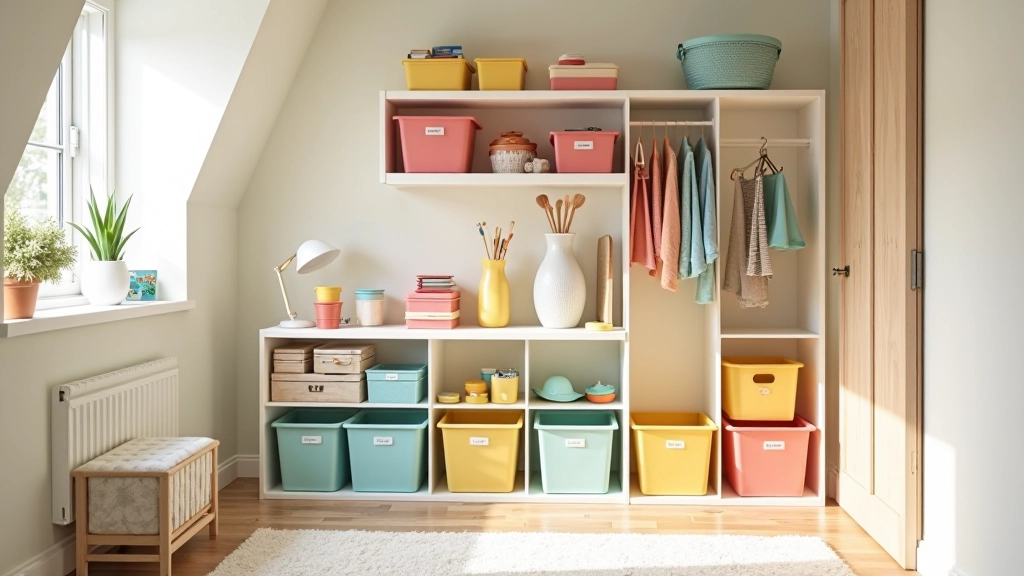
Before buying anything, look for hooks, baskets, and organizers you already own. Most families can build half a command centre from stuff sitting in cupboards.
Buy Only What's Missing
Usually a calendar, some hooks, and a filing box. Budget €30-50 for a basic setup. You don't need special command centre products — regular organizers work perfectly.
Install and Label Everything
Mount the calendar, add the hooks, position the filing box. Use a label maker or write clearly with a permanent marker. Everyone needs to understand the system instantly.
Have a Family Meeting
Spend 10 minutes explaining how it works. Keys go on the hook. School notes go in the inbox. Check the calendar every morning. That's it. Simple rules stick.
Making It Work Long-Term
The first week is easy. Everyone's excited. By week three, things start drifting. The inbox overflows. Keys end up on the counter again. Papers accumulate. This is normal — it just means you need a maintenance routine.
Set a 15-minute cleanup on Sunday evening. Go through the inbox and either file documents or throw them out. Clear old notes from the whiteboard. Make sure the calendar's updated for the week ahead. That's honestly all it takes to keep the system working for months.

Also — and this is important — don't let it become a dumping ground for random papers. The system only works if things get processed regularly. That permission slip gets signed and goes back to school. The utility bill gets paid and filed. The appointment reminder gets added to the calendar and the paper gets recycled. In and out, not piling up.
What Happens When It Actually Works
After a month or two, you'll notice things changing. You're not getting surprised by forgotten school events because everyone checks the calendar. Kids know where their keys are. You're not digging through piles of paper looking for that form you signed last week. The mental load of keeping track of family logistics drops noticeably.
More than that, though — everyone in your family knows where to find information. That's powerful. A teenager can check what's happening this week without asking. Your partner knows where the car keys are. You're not the only person managing the family's schedule anymore. It's distributed. It's visible. It works.
That's the real benefit of a family command centre. It's not just about organization. It's about reducing friction in your household and creating a system that actually sticks because it's so simple that anyone can use it.